Testing laboratories · Food, water and environment
LIMS with process automation for Laboratorios Microal
In production · two-way REST integration with the lab's LIMS
Read the case studyMBO is an Andalusian startup that measures food consumption and waste at hotel buffets. At DPI Systems we carried out the complete technical development of the product: connected cameras and scales, computer vision on NVIDIA Jetson, the cloud platform, the fieldwork and the testing at a hotel in production.

 NVIDIA Jetson
 Intel · OpenVINO
 Ultralytics YOLO11
 Meta DINOv3
 FastAPI
 Next.js
At a buffet nobody knows, with data, how much is served from each tray or how much goes back to the kitchen. Law 1/2025 on the prevention of food loss and waste requires it to be measured, and writing it down by hand at peak time is not feasible.
Every tray that goes out and comes back passes over the pass. Weighing and identifying it has to be a matter of seconds, not a paper log.
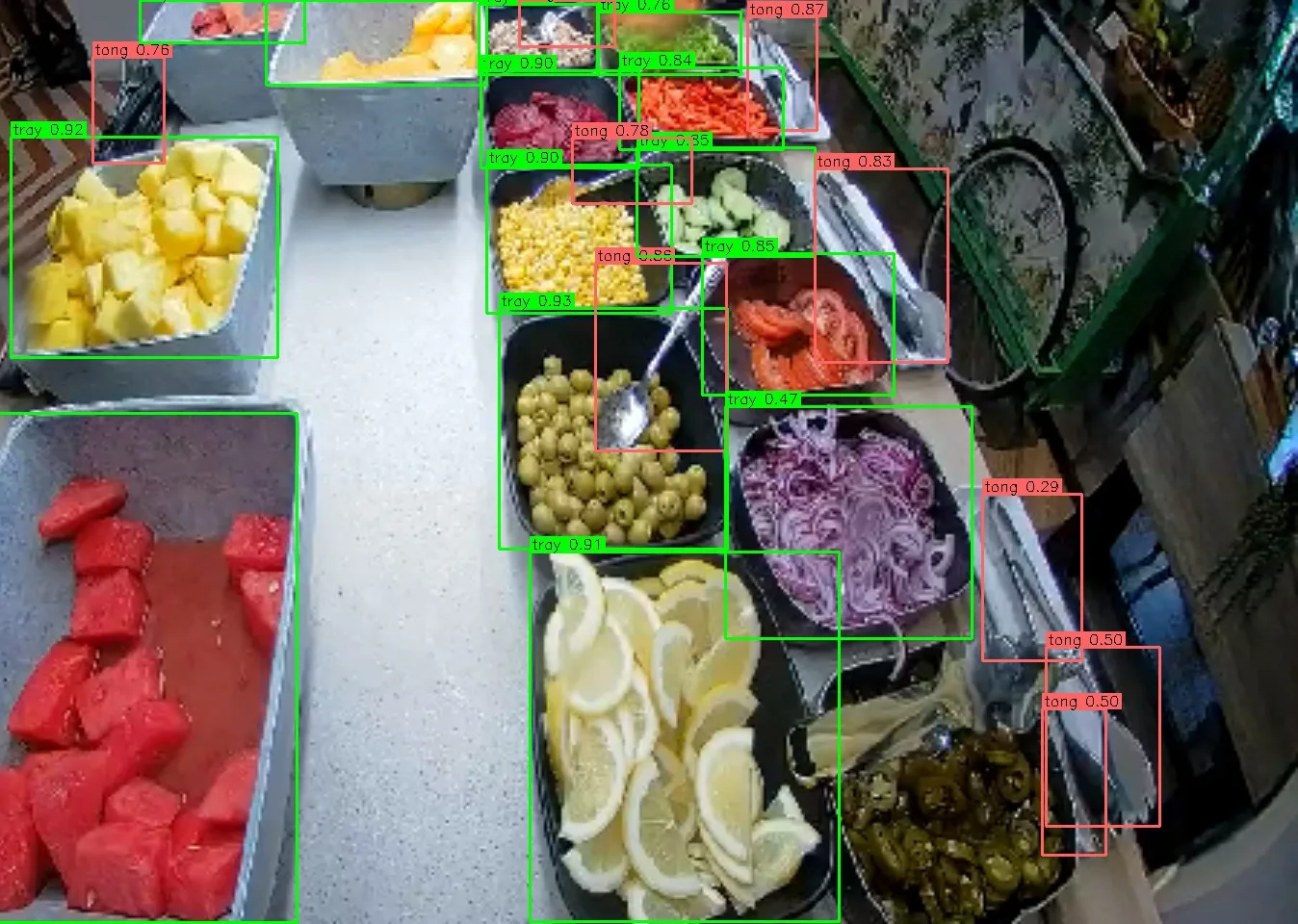
Reflections on steel, steam, and hands, tongs and spoons constantly crossing over dozens of trays.
The system has to know which dish is in each tray without retraining a model for every new recipe.
If the connection fails, measurement cannot stop or lose data from the service.
Management needs consumption, waste and cost per dish and per shift, not hours of footage.
The video never leaves the hotel: it is analyzed on site and only small events reach the cloud.
It is weighed at the pass and a camera identifies the dish by comparing it with the hotel's catalog.
The cameras count every time a guest serves themselves, measure foot traffic and alert when a tray is low or empty.
It is weighed again: the difference is the real consumption, and what comes back is the waste, with its cost per gram.
Trays that do not come back are closed automatically when the service ends, so no data is left incomplete.
The video never leaves the hotel. Each node talks only to the cloud, and always over outgoing HTTPS: no ports need to be opened on the client's network and no changes need to be requested from its IT department.
Maintenance runs over a private VPN separate from the data flow: if it goes down, the nodes keep sending events.
 NVIDIA Jetson
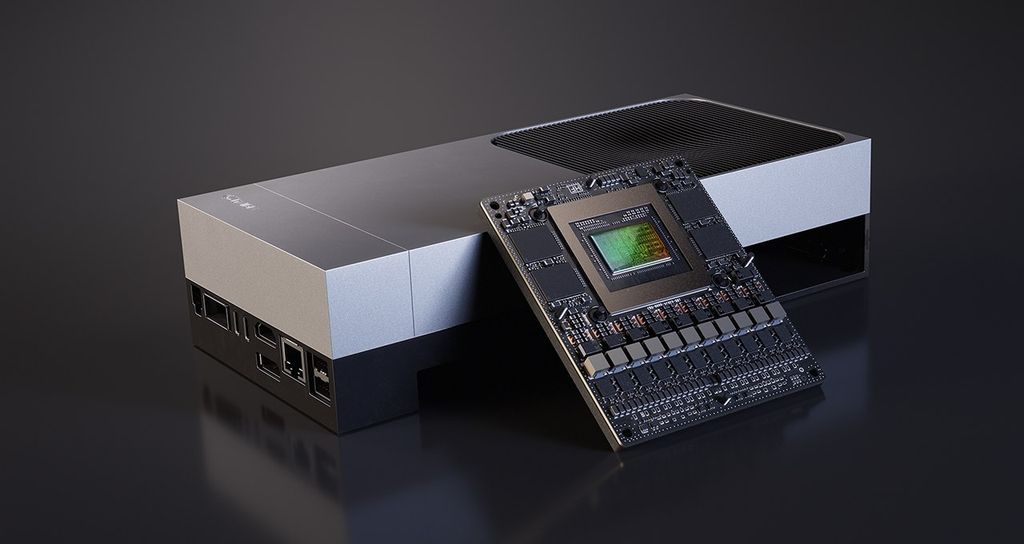
We chose NVIDIA Jetson to run the models next to the cameras: sending 16 video streams to the cloud would be unfeasible in terms of bandwidth, privacy and latency. The Jetson AGX Thor, with Blackwell architecture, handles all the cameras of a large buffet; the Jetson Orin Nano runs the same code in small installations. Both run in Docker as a system service: they start on their own after a power cut and retrieve their configuration from the cloud.
 Intel · OpenVINO
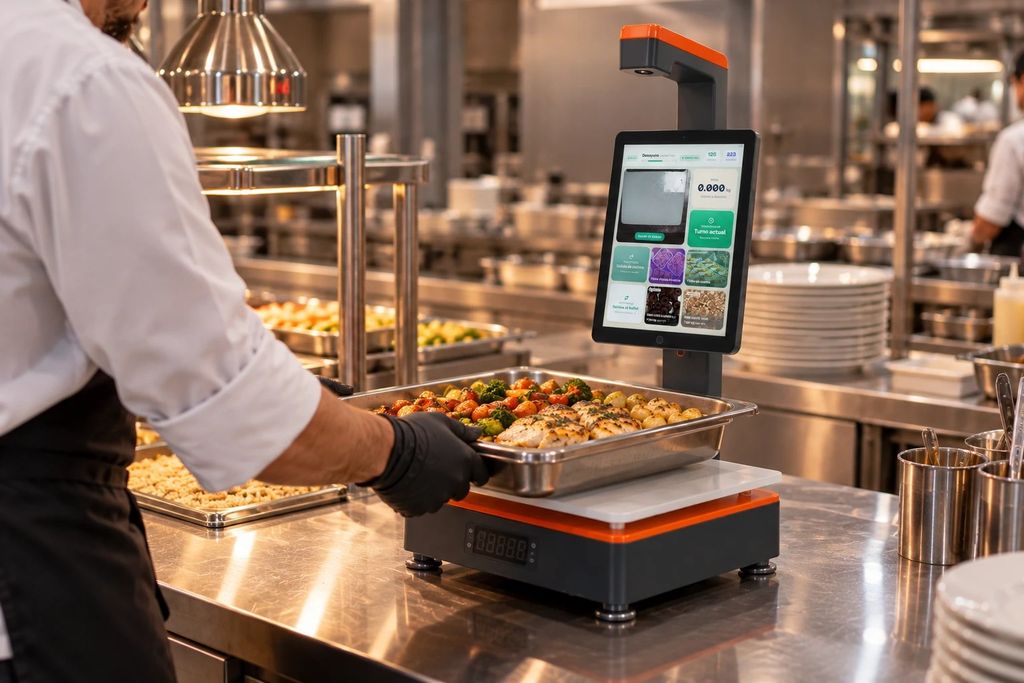
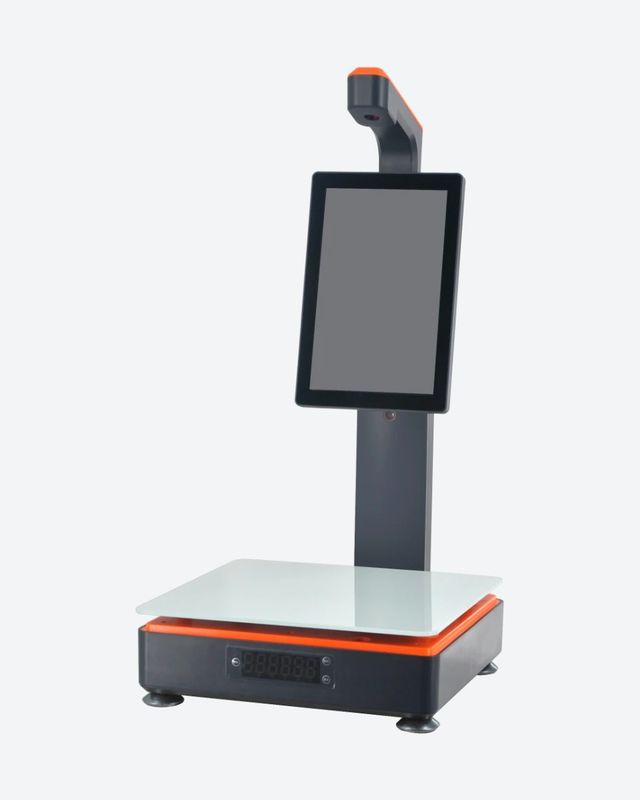
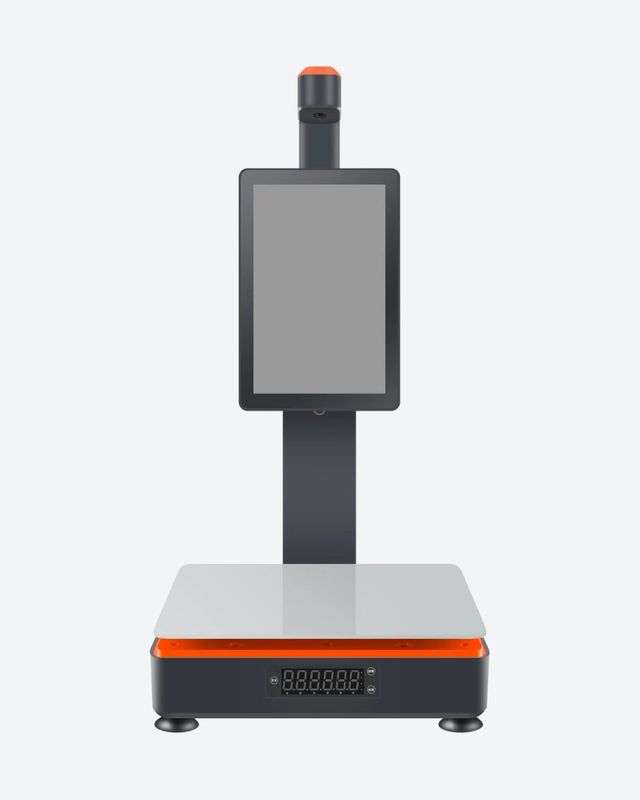
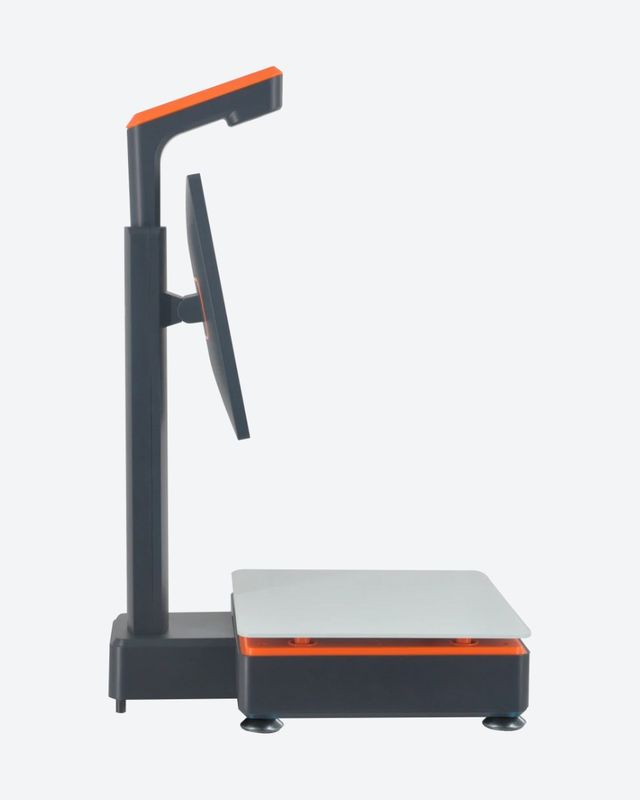
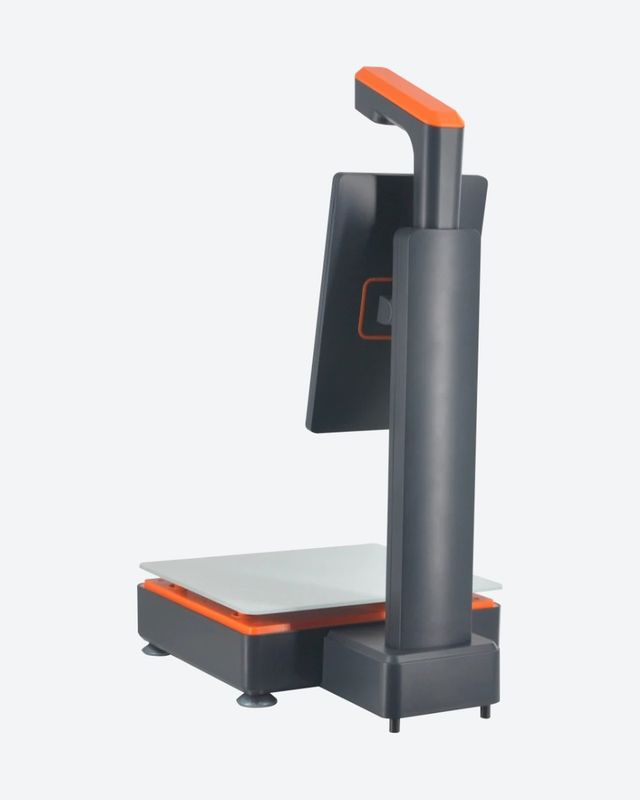
A dedicated station for the pass: scale, overhead camera and touchscreen in a single unit. The cook sets the tray down and within seconds it is weighed, photographed and identified. If in doubt, they choose between the candidate dishes with one tap. In "back to kitchen" mode, the same station records what comes back from the buffet.
MBO is an Andalusian startup that builds products for hospitality: technology that measures what is served, what is consumed and what is thrown away at hotel buffets and restaurants.
DPI Systems is the technical team behind MBO. We handle the complete development: selecting and installing the hardware and sensors, the computer vision models, the software that runs in the hotel, the cloud platform, the fieldwork and the testing with the buffet open to the public.
The video from each camera is decoded by the Jetson's dedicated hardware using NVIDIA DeepStream, without using CPU. One frame from each camera is grouped into a single batch and passed through a YOLO11 detector compiled with TensorRT in FP16 for the unit's specific GPU: a single inference for all the cameras.
Then several processes in parallel track each tray, person or utensil between frames with ByteTrack and apply the business rules that turn what is seen into events: a tray that goes out or comes back, a customer serving themselves, a bottle being poured, a tray being replaced, a person coming in or going out.
The same node covers five use cases depending on where the camera is placed:
All the buffet data starts at the pass. Each tray is weighed when it leaves the kitchen and when it comes back: that difference is the real consumption, what comes back is the waste and, with the recipe card, the cost. The dining room cameras add the detail of what happens in between, but the weight at the pass is the reference for everything.
That is why the pass comes in two versions. In installations with a Jetson, an overhead camera and a network scale record each tray. And for kitchens that need a dedicated station we developed the pass kiosk: a compact PC with Ubuntu, overhead camera, serial-port scale and touchscreen. The cook sets the tray down; the kiosk weighs it, photographs it, calculates its visual fingerprint and suggests the dish. If in doubt, the cook chooses between the candidates and the tray is recorded. In "back to kitchen" mode, the same station records the returns.
The kiosk's AI runs on CPU with OpenVINO, Intel's equivalent of TensorRT, and shares all the common logic with the Jetson: any improvement reaches both.
The detector only learns what a tray is, a pair of tongs, a hand or a guest: 9 classes that do not change with the menu. To know which dish it is, Meta's DINOv3 model turns the photo of the tray into a fingerprint of 384 numbers that the backend searches for in Qdrant, with a similarity threshold configurable per hotel. If it does not recognize it, it records it as unknown to be labeled later.
When a tray comes back, the backend works out which of the trays that went out it is: it discards those that do not match by weight, compares by visual similarity and calculates consumed = served − returned. Adding a new dish means photographing it, not retraining.
A hotel is not a laboratory: the power goes out, the router restarts, the Internet goes down. The architecture starts from that reality:
MBO Platform is multi-company: each hotel has its own space, with administrator, manager and user roles, and subscribes to the buffet service, the restaurant service or both. The configuration of cameras, scales, use cases and shifts lives in the cloud and is changed from the dashboard, without touching the units. It includes a live kitchen view, a dish catalog with recipe cards, analytics on consumption, cost, waste, occupancy and peak hours, and a test environment to validate every change before production.
A vision system only works if it has been tested on the real site. We installed cameras and scales with the hotel in operation, set up the Jetson units and gave them secure remote access so they can be maintained without traveling.
The first version, an MVP with a buffet monitoring dashboard, was built in six weeks. Today the product measures the complete cycle of each tray with cameras and scales, runs the vision on NVIDIA Jetson units inside the hotel and is in production at a real breakfast buffet.
The next step is to take MBO Smart Buffet to more hotels with an ever faster installation: the same equipment, the same software and a dish catalog that adapts to each kitchen.
Real screenshots of the dashboard in production, with data from a breakfast service. Everything the cameras and scales measure ends up here, per dish, per shift and in euros.
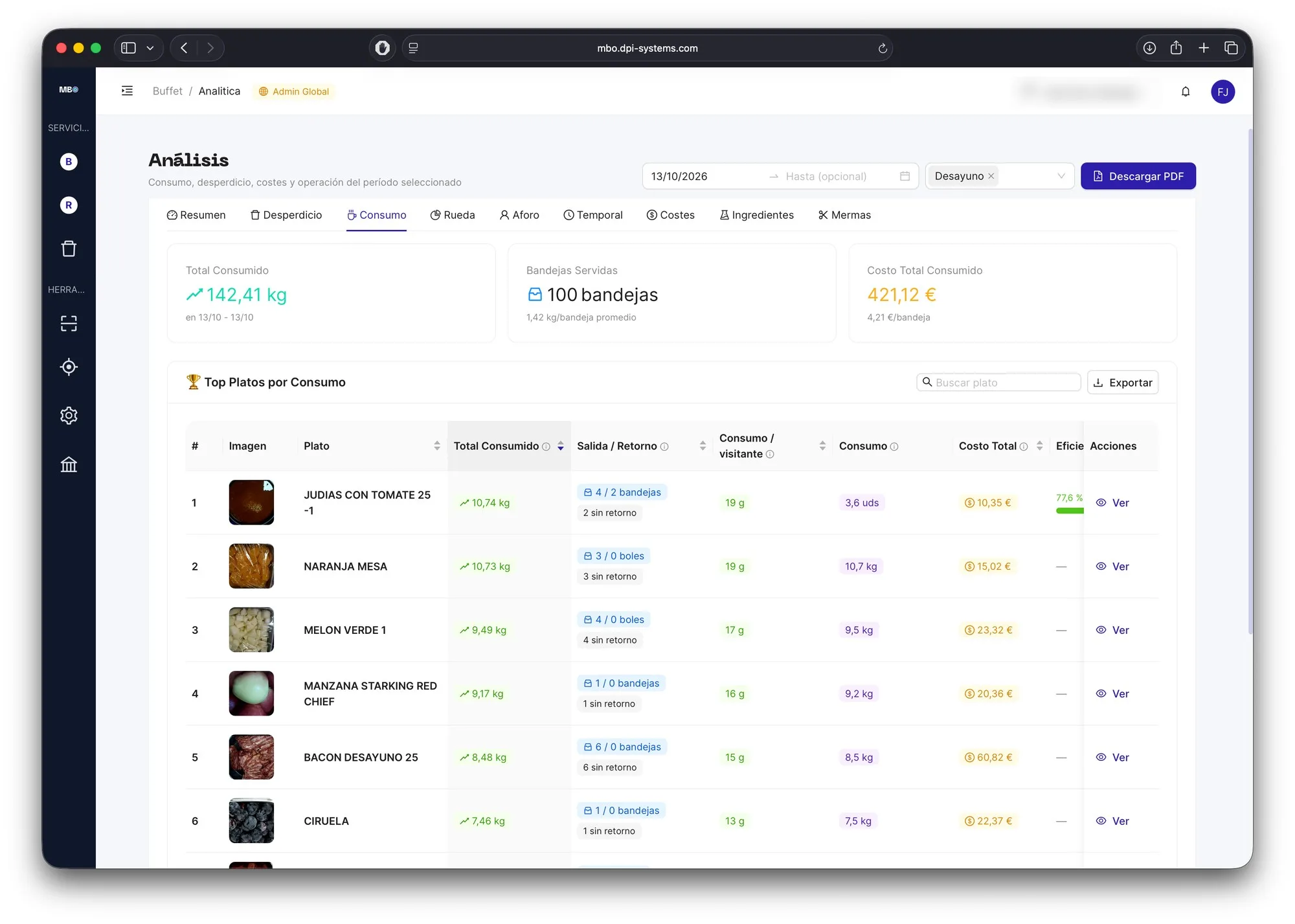
Kilos consumed, trays served and shift cost, with the dish ranking: trays that go out and come back, consumption per diner and the cost of each one.
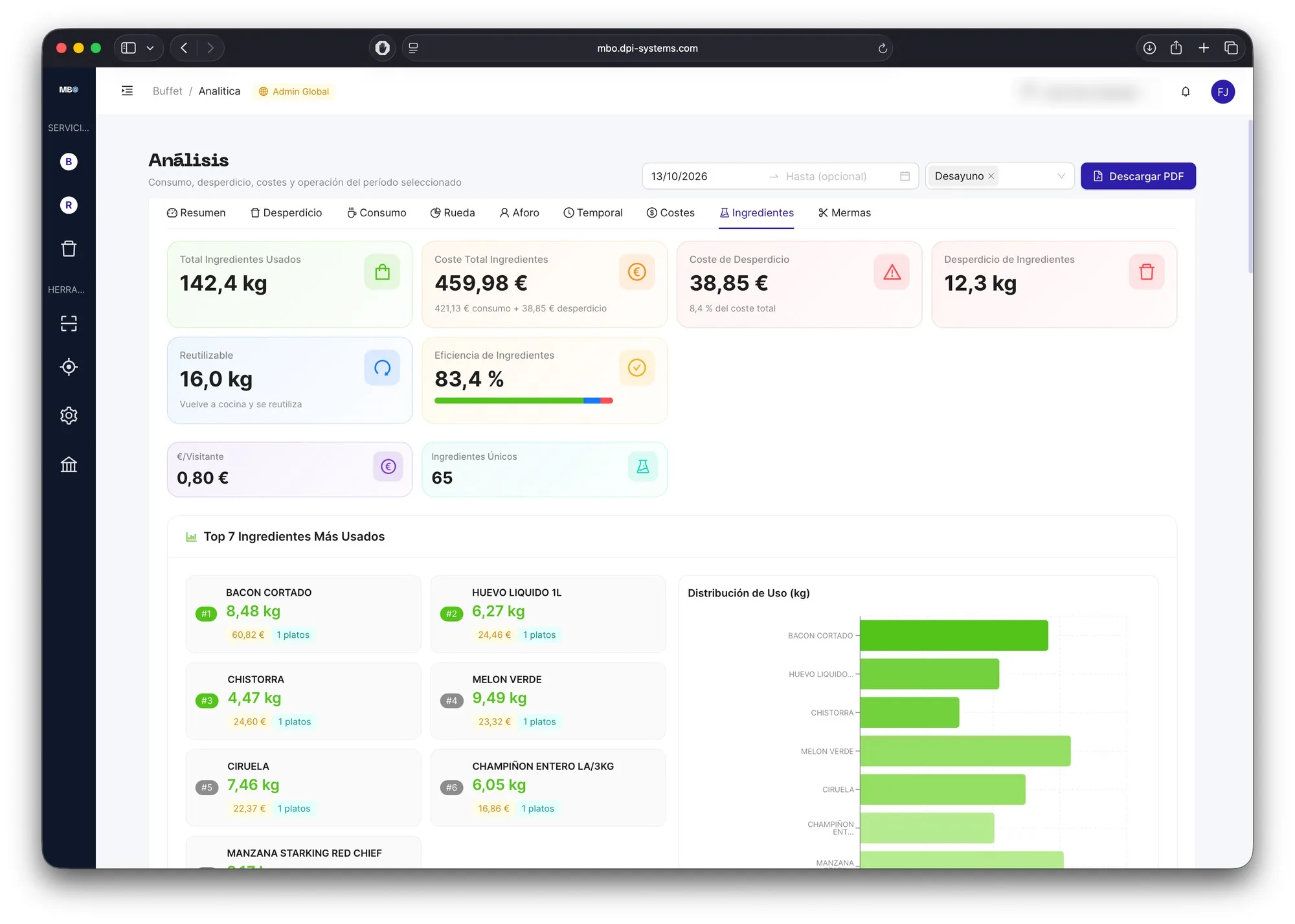
Cross-referencing consumption with the recipe cards: ingredient cost, cost of waste, what comes back and is reused, and the efficiency of the shift.
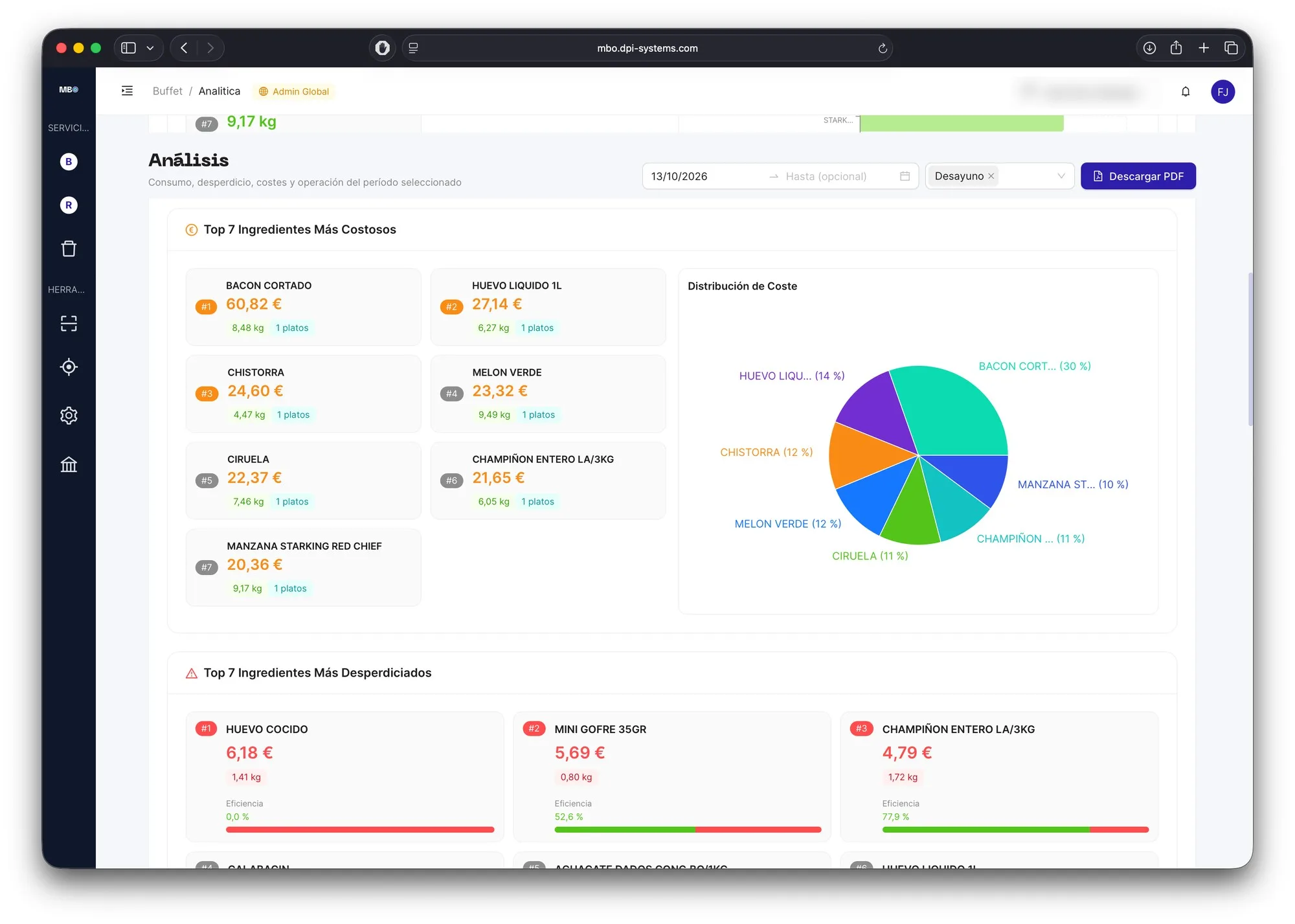
The most expensive and most wasted ingredients, with their efficiency: the list of what needs reviewing on the menu.
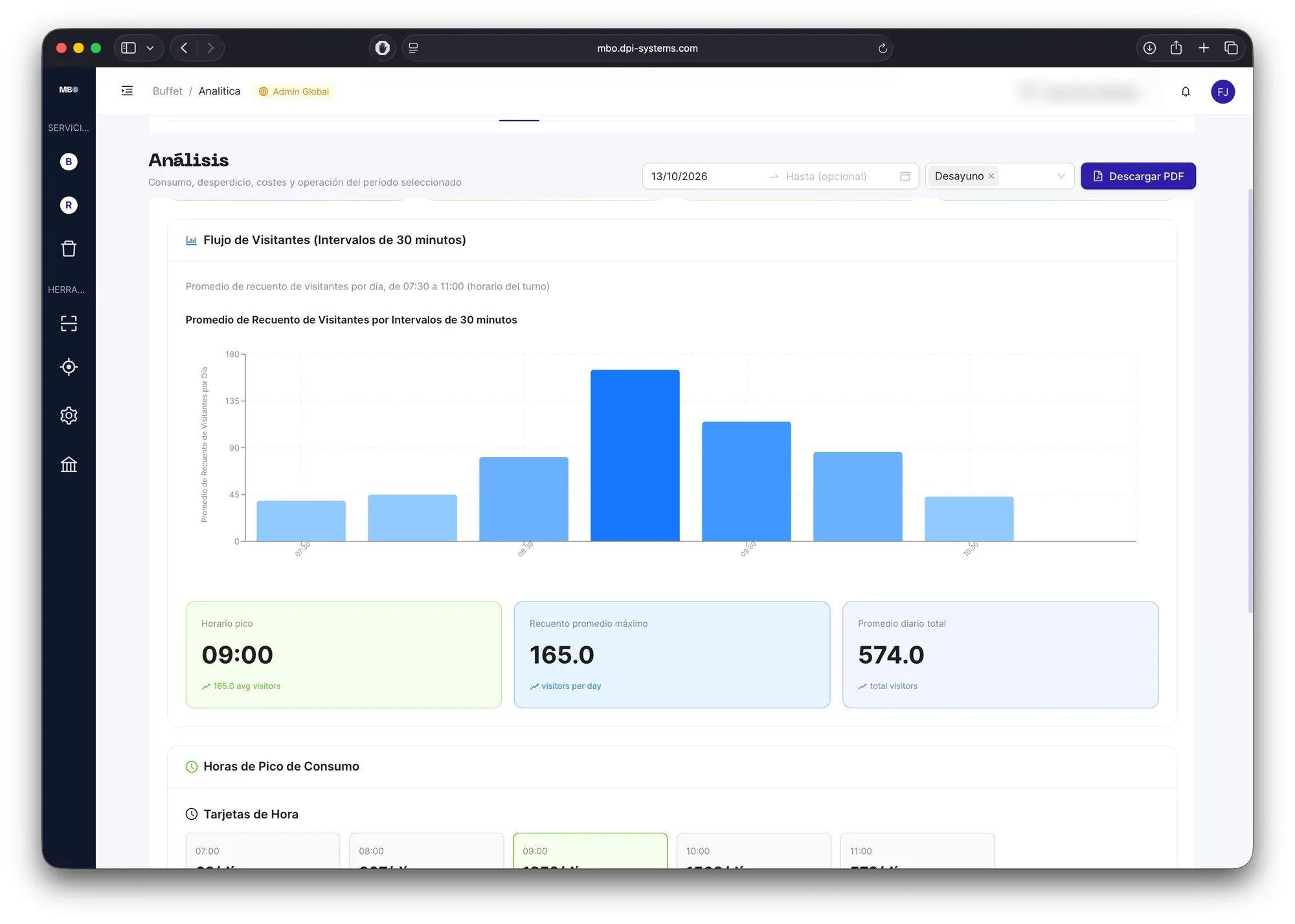
Diners per 30-minute slot and peak hour, counted by the entrance camera, to adjust production and refills.
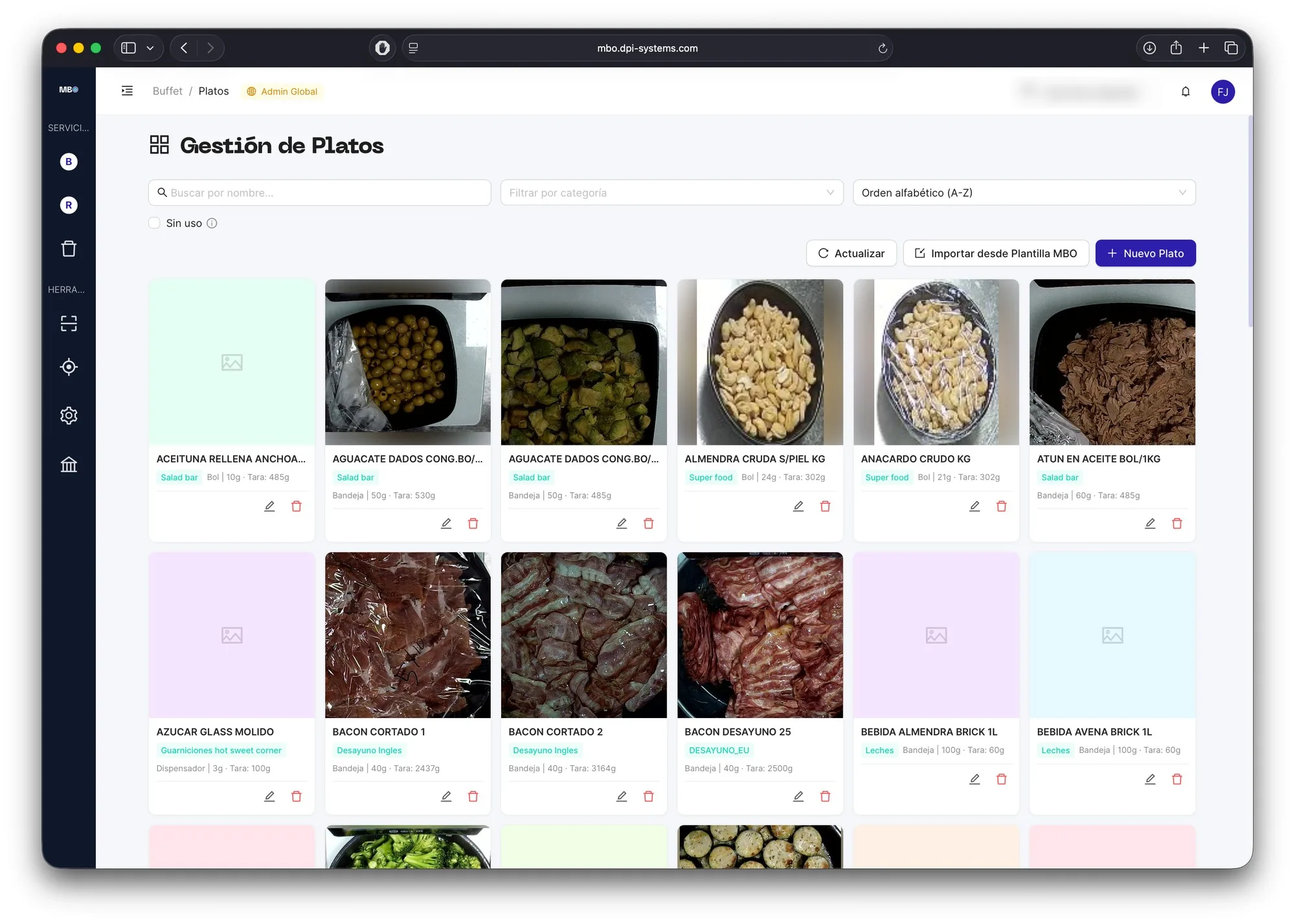
Each dish with the real photo of its tray, category, container and tare: the reference the system uses to recognize what leaves the kitchen.
Real images from the installed cameras and the pipeline in operation.
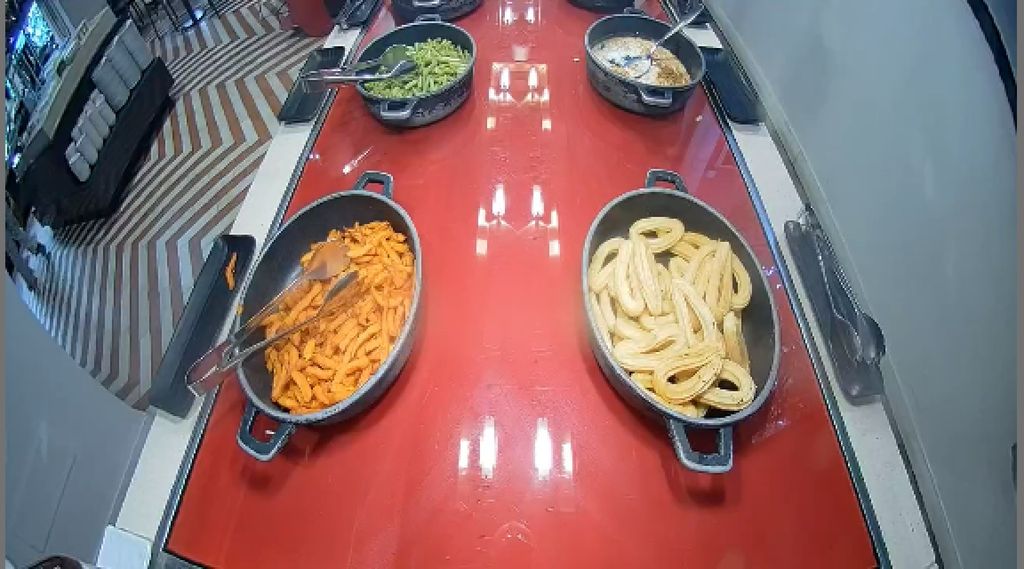
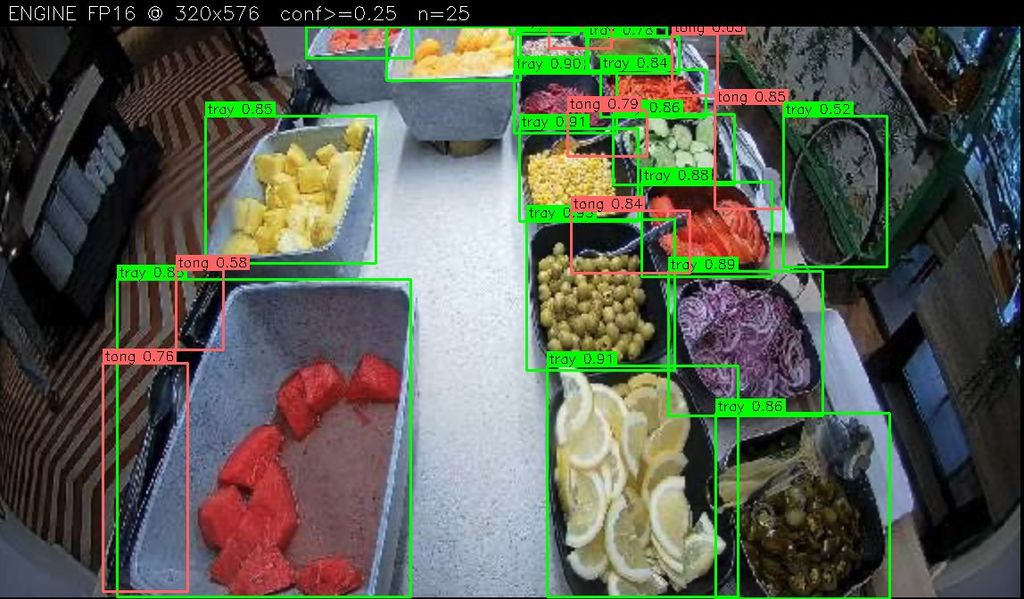
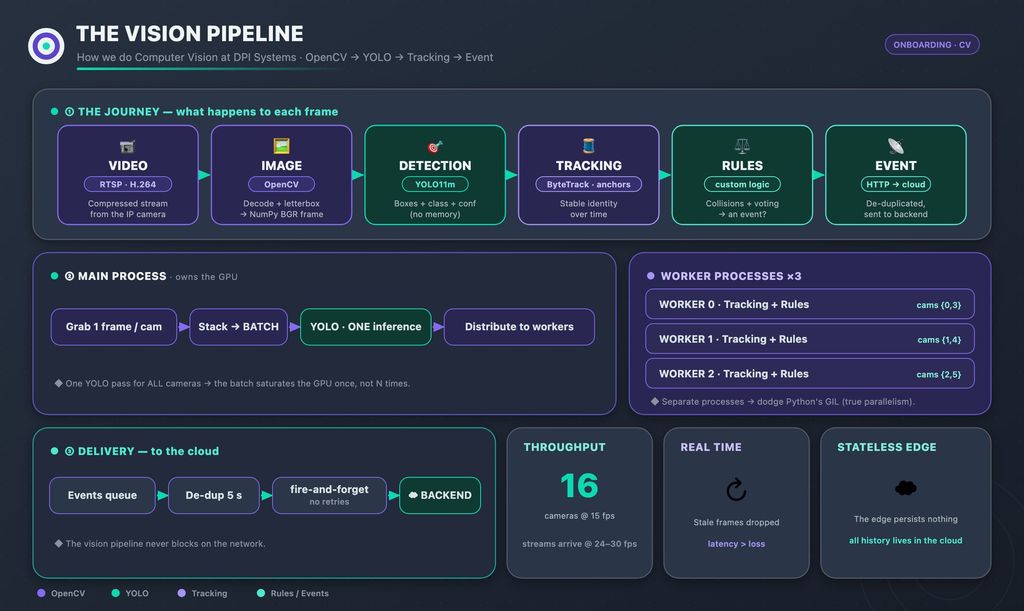
From the on-device model to the management dashboard, developed and operated by DPI Systems.


In production · two-way REST integration with the lab's LIMS
Read the case study
Up to 70% less processing time · built in 8 weeks
Read the case study
From analysis to ERP integration in 6 weeks
Read the case studyWe design and build complete computer vision and IoT solutions: hardware, models, software and field deployment.